
This article is educational and does not constitute insurance, veterinary, or financial advice. For pet medical concerns, consult a licensed veterinarian. For coverage decisions, review the actual policy documents from any carrier you are considering.
Pet insurance for kittens is one of the most under-used enrollment windows in U.S. pet insurance. Most carriers will accept kittens at 6 to 8 weeks old, and enrolling before any meaningful medical history is on the chart means that the chronic conditions cats are most prone to develop later in life — chronic kidney disease, hyperthyroidism, urinary obstruction, dental disease, diabetes — are treated as future unknowns and remain covered for the life of the policy. The goal of this guide is to walk through what households can reasonably expect from a kitten policy, the typical premium pattern in the first two years, and the underwriting and policy-language questions that matter most before signing.
Why pet insurance for kittens is rarely about the first 12 months
National claims data published by industry trade groups suggests that healthy kittens in their first 12 months produce a relatively modest volume of insurance claims by dollar value — most early claims involve gastrointestinal upsets, minor injuries, ear or eye conditions, or upper respiratory infections in newly adopted kittens. The real value of pet insurance for kittens is not the first-year math; it is the way enrollment age preserves coverage eligibility for the chronic conditions cats are most likely to develop between ages 6 and 14. A kitten enrolled at 12 weeks old has an essentially clean record, which means kidney disease diagnosed at age 9, hyperthyroidism at age 11, or urinary obstruction at age 5 is covered under the original policy. Wait until the cat is 24 months old, and any minor finding noted in a previous exam may become a pre-existing exclusion later.
Indoor-only cats are statistically less likely than dogs to face accident-driven claims (trauma, bite wounds, foreign-body ingestion) but more likely to face chronic illness claims as they age — which is exactly the kind of long-tail spending that an accident-and-illness policy enrolled at kitten age is best positioned to offset.
Coverage details vary by carrier and state; always read the actual policy sample before enrolling.
What you actually need before requesting a plan sample
- The kitten’s approximate date of birth (or shelter placement date) and any breed information.
- Records from the breeder, shelter, or rescue, including initial vaccinations, deworming, and any veterinary visits already completed.
- The first veterinary exam record from your own clinic, even if it covers only the initial wellness visit.
- The household’s monthly budget for pet expenses and the maximum unexpected veterinary bill the household could absorb without difficulty.
- Your zip code — premiums vary by state and by region.
Step 1: Choose accident-and-illness coverage as the base structure
For most U.S. kitten households, an accident-and-illness plan is the structurally appropriate base. Accident-only plans miss the categories of claims cats are most likely to face later in life (chronic kidney disease, dental disease, urinary obstruction, cancer), and wellness or routine-care add-ons function as predictable preventive-spending tools rather than insurance in the traditional risk-pooling sense. A clean accident-and-illness base, optionally layered with a wellness rider, is the most commonly enrolled structure for pet insurance for kittens across the U.S. market. The American Animal Hospital Association at aaha.org publishes owner-facing material on what a typical kitten preventive care schedule looks like in the first 12 months.
Step 2: Compare plan samples from at least four carriers
The three pricing knobs on every accident-and-illness policy — reimbursement percentage, annual deductible, annual benefit limit — matter especially much for pet insurance for kittens because the same policy may follow the cat for 14 to 18 years. Small differences in benefit-limit and reimbursement-rate structure compound across that long horizon. Set identical reimbursement and deductible assumptions before comparing carriers’ headline monthly premiums, and ask each carrier specifically whether the policy automatically renews each year on the same terms or whether the household needs to actively re-elect coverage. For a parallel walk-through of how these mechanics play out for an adult cat policy, see our pet insurance for cats overview.
Step 3: Confirm hereditary and breed-specific coverage
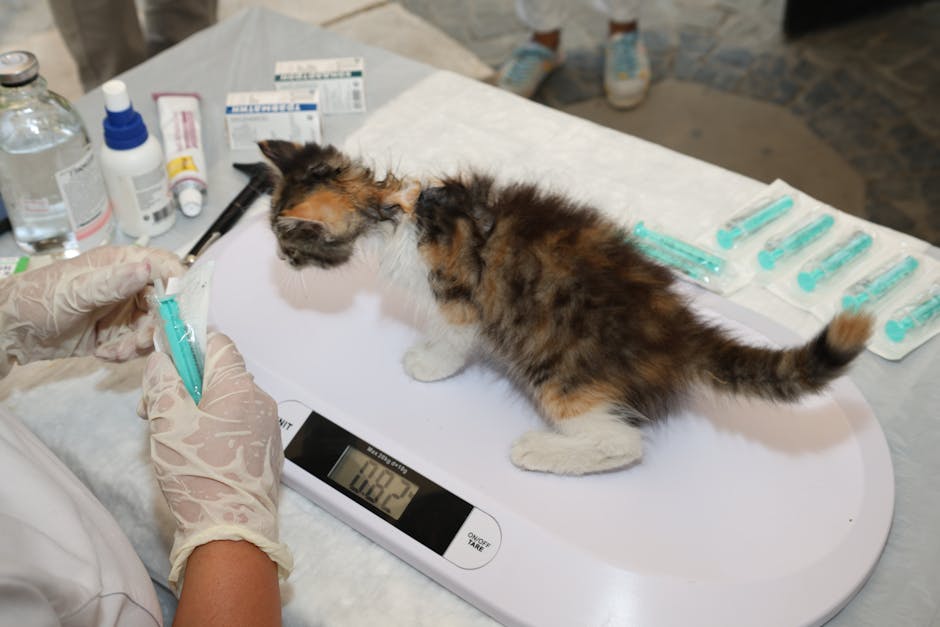
Domestic shorthairs and longhairs typically fall into a single base underwriting class with no breed surcharge, but pedigreed breeds — Persians, Maine Coons, Sphynx, Bengals, Ragdolls — may face slightly higher premiums or specific exclusions for known hereditary conditions. Polycystic kidney disease in Persians, hypertrophic cardiomyopathy in Maine Coons, and certain skin conditions in Sphynx are commonly cited examples. Ask each carrier specifically whether hereditary conditions relevant to your kitten’s breed are covered under the standard accident-and-illness plan. For mixed-breed and rescue kittens of unknown lineage, the question is moot; for pedigreed kittens, the answer can move thousands of dollars across the life of the policy.
Step 4: Map waiting periods carefully
Every U.S. carrier imposes waiting periods between the policy effective date and the start of coverage for new conditions. Accident waiting periods are commonly 1 to 5 days; illness waiting periods are commonly 14 to 30 days. For a 10-week-old kitten already scheduled for the next vaccine booster, spay or neuter, and a first dental check, the waiting-period structure should be checked against the planned calendar. The full diagnostic logic on this dimension lives in our waiting period walk-through.
Step 5: Right-size deductible and reimbursement % to the long horizon
For a 12-week-old kitten expected to be covered for 14 to 18 years, the deductible and reimbursement structure should be chosen against the long horizon. Chronic feline conditions tend to produce claims across multiple policy years, and each year resets the annual deductible. A $250 annual deductible on an 80% reimbursement plan typically costs $4 to $12 more per month than a $500 deductible on the same coverage; across 15 policy years, that is $720 to $2,160 of additional premium. For households that expect to file multiple modest claims per year as the cat ages, a lower deductible structure usually recovers its premium difference within the first few claim years.
Step 6: When to actually call a veterinarian or licensed agent
Call your veterinarian when the question is medical: how a particular hereditary risk applies to your kitten’s specific breed, what the typical first-year preventive schedule looks like, and whether any minor finding from the initial wellness visit might be characterized in a future insurance underwriting review. Call a licensed insurance agent in your state when the question is contractual: how a specific carrier defines pre-existing conditions, what the exact waiting periods are for the conditions most likely to apply to your kitten, and how state insurance regulations apply to your specific situation. The state insurance department directory at content.naic.org lists where to file written complaints or verify licensed agents in your home state.
One useful habit: revisit the policy at every annual wellness visit and after every change in the cat’s medical record. The most useful insurance decision is the one made with full information, before the policy is needed. A short annual review at the same time as the cat’s vaccination booster is usually enough to confirm whether the current deductible structure and reimbursement percentage still fit the household’s situation.
This article is for informational purposes only and does not constitute insurance, financial, or veterinary advice. Coverage details, exclusions, waiting periods, and pricing vary by carrier and by state and change frequently. Always read the policy sample, exclusions list, and reimbursement terms in full before enrolling, and consult a licensed insurance agent in your state with questions about your specific situation. For your pet’s medical care, consult a licensed veterinarian.

Jordan Reyes is a Registered Veterinary Technician with seven years of clinic-floor experience across small-animal general practice, emergency medicine, and a referral specialty hospital. Jordan is also the owner of three rescue dogs and writes from the dual perspective of a clinical professional and a working pet owner navigating real veterinary bills. Coverage areas include cat insurance, wellness and routine-care add-ons, and practical questions about how claim submissions, exam-room paperwork, and reimbursement timelines actually work day to day. Articles here are educational only and not a substitute for licensed veterinary or insurance advice; readers should always consult their veterinarian about medical decisions and a licensed agent about coverage.