
This article is educational and does not constitute insurance, veterinary, or financial advice. For pet medical concerns, consult a licensed veterinarian. For coverage decisions, review the actual policy documents from any carrier you are considering.
Pet dental insurance coverage is one of the most common sources of claim-time disappointment in the U.S. pet insurance market, because nearly every household assumes that the standard accident-and-illness plan covers routine dental care, and nearly every standard plan does not. Most carriers distinguish carefully between dental disease (often covered, but with strict conditions) and routine dental cleaning (typically not covered without a separate wellness add-on), and the line between the two categories can be surprisingly thin. The goal of this guide is to walk through what U.S. policies actually pay for in dental care, the documentation requirements that drive most denial decisions, and the structural choice between an illness-only plan and a wellness-included structure.
Why pet dental insurance coverage is rarely as broad as owners assume
Dental claims fall into two categories under most U.S. policies. Dental disease — periodontal disease, fractured teeth, tooth root abscesses, oral masses, gingivitis severe enough to require extraction — is typically covered under the standard accident-and-illness plan, subject to two important conditions: the condition must not be pre-existing, and most carriers require evidence that the household has maintained reasonable dental hygiene (commonly defined as a professional cleaning within the prior 12 to 24 months) for the policy to pay on a dental claim. Routine dental cleaning itself is rarely covered under the base policy; it falls under preventive care, which usually requires a wellness add-on.
Roughly 80% of U.S. dogs and 70% of cats over age 3 show some clinical signs of dental disease on examination. That is the population on which most carriers price the dental component of their policies. The math the carriers run is that without a hygiene requirement, dental claims would systematically subsidize households that have not invested in preventive cleanings. The hygiene-documentation requirement is the structural reason pet dental insurance coverage produces so many disappointed claim outcomes — the policy is usually not the problem; the prior preventive history is.
Coverage details vary by carrier and state; always read the actual policy sample before enrolling.
What you actually need before enrolling
- The pet’s complete dental history from your veterinarian: any prior cleanings, extractions, dental disease notes, or radiographs.
- The exact dental coverage language from each candidate carrier, in writing.
- The hygiene-documentation requirement (commonly a cleaning within the past 12 to 24 months).
- A list of any teeth currently noted as fractured, missing, or showing gum recession.
- Whether the carrier offers a wellness add-on that includes a dental cleaning benefit.
Step 1: Distinguish dental disease from routine cleaning
The single most important conceptual step is to separate dental disease (typically illness-side, potentially covered) from routine prophylactic cleaning (typically preventive-side, not covered without an add-on). A claim for an extraction due to advanced periodontal disease falls on the illness side and may be paid, subject to the hygiene requirement and the pre-existing exclusion. A claim for a once-a-year anesthetic cleaning to remove tartar before any disease is present falls on the preventive side and is typically only paid under a wellness add-on. Pet dental insurance coverage as a category is the intersection of these two distinct sub-categories, and a quote that bundles them as if they were the same will mislead the comparison. For the broader wellness-add-on logic, see our wellness plans walk-through.
Step 2: Confirm the hygiene-documentation requirement
Most U.S. carriers require evidence of recent professional dental cleaning before paying on a dental disease claim. Common requirements: a cleaning within the past 12 months on adult dogs; within the past 24 months on senior dogs and cats; or evidence of regular home dental care in lieu of a recent professional cleaning. Ask each candidate carrier for the exact hygiene-documentation requirement in writing, and confirm what kind of evidence the carrier will accept: vet-signed dental chart, anesthetic procedure invoice, photographic documentation. If your pet has not had a documented professional cleaning in the past 24 months, the most reliable preparation for a future dental claim is to schedule one now — before submitting the application, while the policy effective date is being set. The American Veterinary Medical Association at avma.org publishes owner-facing guidance on what a routine dental schedule looks like by life stage.
Step 3: Document the current dental condition before enrollment
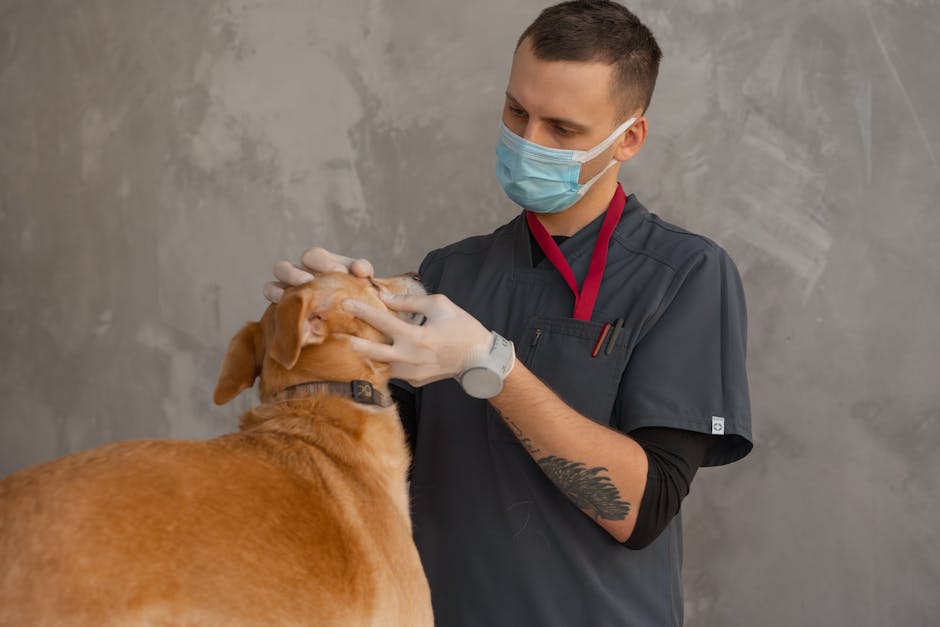
Before the policy effective date, ask the veterinarian to perform and document a complete oral exam, recording the status of each tooth, any visible tartar, gum recession, fractured teeth, oral masses, and the overall dental score. This baseline document protects pet dental insurance coverage in two ways. First, it confirms which conditions exist at the policy effective date — those become pre-existing exclusions, but anything not noted in the baseline is preserved as future-eligible. Second, it satisfies the hygiene-documentation requirement on many carriers, since a documented professional exam often counts toward the hygiene window even if a full prophylactic cleaning has not happened recently.

Step 4: Choose between accident-and-illness alone, base-plus-wellness, or specialty dental rider
For pet dental insurance coverage, U.S. households essentially choose between three structures. First, accident-and-illness alone: covers dental disease subject to hygiene requirements and pre-existing exclusions, does not cover routine cleaning. Second, accident-and-illness plus wellness add-on: covers dental disease as above, and covers routine cleaning up to the per-item cap on the wellness rider. Third, a small number of carriers offer a specialty dental rider that goes beyond the standard wellness cap for dental cleanings specifically. The right answer depends on the pet’s age, the household’s preference for predictable monthly spending, and the actual local cost of a routine cleaning. For households with a senior pet with no prior dental history, the wellness add-on is often the most cost-effective path; for younger pets with documented cleanings, the base policy alone is usually sufficient.
Step 5: Plan the dental schedule around waiting periods
Dental claims, like all illness claims, are subject to the carrier’s illness waiting period — typically 14 to 30 days from the policy effective date. Scheduling a dental cleaning within the waiting window means the claim will not be eligible. The cleaner sequence is to schedule any planned dental work either before the policy effective date (so it is documented and excluded as pre-existing) or after the waiting period closes (so it is eligible for the wellness benefit). The relevant background lives in our waiting period walk-through.
Step 6: When to actually call a veterinarian or licensed agent
Call your veterinarian when the question is medical: whether your pet’s current dental condition justifies a cleaning before policy enrollment, what kind of dental documentation will satisfy a carrier’s hygiene requirement, and what the typical local cost of a professional cleaning runs. Call a licensed insurance agent in your state when the question is contractual: how a specific carrier defines dental disease versus preventive cleaning, what the exact hygiene-documentation requirement is, and whether the wellness add-on covers extractions versus only routine cleaning. The state insurance department directory at content.naic.org lists where to file written complaints if a dental claim is declined and the household believes the denial conflicts with the policy language.
One useful habit: schedule a documented annual dental exam regardless of insurance status, both for the pet’s health and to preserve future pet dental insurance coverage eligibility. The most useful insurance decision is the one made with full information, before the policy is needed.
This article is for informational purposes only and does not constitute insurance, financial, or veterinary advice. Coverage details, exclusions, waiting periods, and pricing vary by carrier and by state and change frequently. Always read the policy sample, exclusions list, and reimbursement terms in full before enrolling, and consult a licensed insurance agent in your state with questions about your specific situation. For your pet’s medical care, consult a licensed veterinarian.

Jordan Reyes is a Registered Veterinary Technician with seven years of clinic-floor experience across small-animal general practice, emergency medicine, and a referral specialty hospital. Jordan is also the owner of three rescue dogs and writes from the dual perspective of a clinical professional and a working pet owner navigating real veterinary bills. Coverage areas include cat insurance, wellness and routine-care add-ons, and practical questions about how claim submissions, exam-room paperwork, and reimbursement timelines actually work day to day. Articles here are educational only and not a substitute for licensed veterinary or insurance advice; readers should always consult their veterinarian about medical decisions and a licensed agent about coverage.