This article is educational and does not constitute insurance, veterinary, or financial advice. For pet medical concerns, consult a licensed veterinarian. For coverage decisions, review the actual policy documents from any carrier you are considering.
Does pet insurance cover dental is a question that surprises a lot of owners, because dental disease is one of the most common conditions veterinarians diagnose, yet it sits in one of the murkiest corners of a policy. The short answer is that coverage splits cleanly into two categories: dental work caused by accident or illness, which a comprehensive medical plan often reimburses, and routine dental cleanings, which standard plans usually do not cover unless you add a wellness rider. Knowing which side of that line a given treatment falls on, before you enroll, is what keeps a dental bill from becoming an unwelcome surprise.
Does pet insurance cover dental illness and accidents?
For most comprehensive accident-and-illness plans, the answer is yes when the dental problem stems from a covered illness or injury. If a dog fractures a tooth on a bone, an abscess requires extraction, or a cat develops a painful resorptive lesion or gingivostomatitis, the treatment generally falls within the medical coverage, subject to the plan’s deductible, reimbursement percentage, and annual limit. Periodontal disease, the most common dental condition in pets, is sometimes covered as an illness, but carriers vary widely on this point and frequently attach conditions to it.
The important distinction is that the dental treatment is reimbursed because of the underlying condition, not because “dental” is a separate benefit you buy. The North American Pet Health Insurance Association publishes consumer education on how accident-and-illness policies handle different categories of care across the industry, available at naphia.org. Because the exact list of eligible dental conditions differs by carrier and state, the only reliable way to confirm coverage is to read the policy sample rather than assume.
The common periodontal-disease condition to watch for
Many carriers that cover periodontal disease require proof that you maintained your pet’s dental health, often a documented professional cleaning within the prior twelve months, before they will reimburse illness-related dental work. Skip the routine cleanings and a later periodontal claim can be denied on the grounds that the disease was preventable. Reading this requirement before you enroll, and then keeping to the cleaning schedule, is the single most overlooked step in making dental coverage actually pay out.
Coverage details vary by carrier and state; always read the actual policy sample before enrolling.
Routine cleanings, wellness add-ons, and what they cover
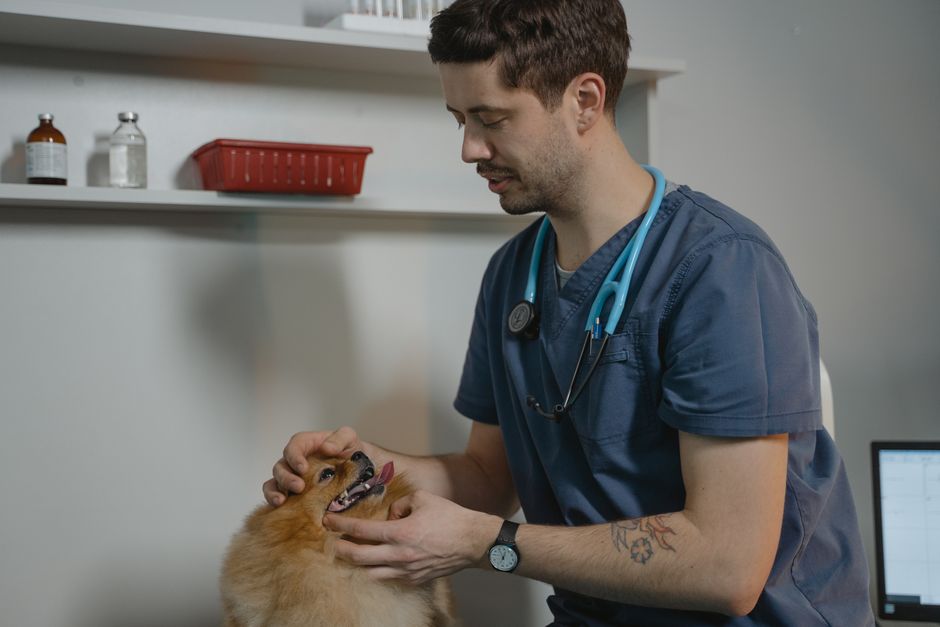
Routine dental cleanings, the scheduled, preventive scale-and-polish done under anesthesia, are normally not covered by a standard accident-and-illness plan, because they are considered preventive rather than treatment for a diagnosed problem. This is where wellness or preventive-care add-ons come in. Many carriers sell an optional rider that reimburses a set amount toward routine cleanings and other preventive services each year, typically as a flat benefit rather than a percentage. The American Veterinary Medical Association offers owner-facing background on pet dental care and why professional cleanings matter, available at avma.org.
Whether a wellness rider pays off depends on the math. If the annual rider premium is close to what you would spend on a cleaning out of pocket, the value is modest and the main benefit is budgeting predictability. If the rider also bundles vaccines, exams, and other preventive care you use anyway, it can make more sense. Either way, the routine-care side of dental is funded by the add-on, not the core medical policy, and the two should be evaluated separately.
Which dental treatments are typically excluded
Several dental situations are commonly excluded even on a good plan. Pre-existing dental conditions, meaning problems that showed signs before coverage began or during a waiting period, are typically not reimbursed; a tooth already fractured or a mouth already showing periodontal disease at enrollment generally will not be covered later. Cosmetic dentistry and orthodontic work are usually excluded as non-medical. And as noted, routine cleanings are excluded from standard medical coverage absent a wellness rider.
Because so many dental claims turn on whether a condition pre-dates the policy, the pre-existing rule deserves close attention, and it pairs directly with this topic; our explainer on how pre-existing conditions work walks through exactly how a carrier draws that line and why complete medical records matter for dental claims specifically.
How waiting periods affect dental claims
Waiting periods are the second timing layer that decides many dental claims. Most plans impose a short waiting period for illness coverage after enrollment, and a dental problem diagnosed inside that window is usually treated as pre-existing afterward, even if the symptoms only became obvious later. Some carriers attach a longer, dental-specific waiting period or a one-time dental exam requirement before illness-related dental work becomes eligible.
This is why enrolling while a pet is young, before tartar, gum disease, or a worn tooth appears, gives dental coverage the best chance of paying out. For the full picture of how these timelines are structured and how they differ from the medical waiting period, our guide to how waiting periods work is worth reading alongside this one, since dental is one of the categories carriers most often single out.
How your plan’s dials shape a dental bill
Even when a dental treatment is covered, the policy rarely pays the whole bill. The same three dials that govern every claim apply here. The deductible is what you pay before reimbursement begins. The reimbursement percentage, commonly seventy, eighty, or ninety percent, determines how much of the remaining eligible cost the plan pays back. And the annual limit caps total payments in a policy year, which matters because dental procedures, extractions, advanced periodontal treatment, or oral surgery, can be expensive and may compete with other claims for the same yearly cap.
Dental work also frequently overlaps with surgery, since extractions and oral-mass removals are surgical procedures, so it helps to understand how surgical coverage is structured; our companion article on whether pet insurance covers surgery explains how the same dials apply when a dental issue requires an operation. State insurance regulators publish general guidance on reading and comparing policy contracts, and the National Association of Insurance Commissioners maintains consumer resources at naic.org.
What to check before counting on dental coverage
Before assuming a plan will help with your pet’s teeth, confirm four things in the policy sample: whether illness-related dental work, including periodontal disease, is covered; whether the carrier requires a recent professional cleaning to keep that coverage valid; whether a wellness add-on is available for routine cleanings and whether its math works for you; and what waiting periods or exam requirements apply to dental specifically. Keeping your pet’s complete dental history, along with the policy documents and your deductible and reimbursement figures, in a single file means you can answer the coverage question in minutes if a problem arises.
If you are unsure how a carrier treats a particular condition, a licensed insurance agent in your state can walk you through the policy language without sales pressure. For questions about whether a dental procedure is medically necessary or how to keep your pet’s teeth healthy in the first place, a licensed veterinarian is the right person to ask, and good preventive dental care is often what keeps a claim eligible to begin with.
Disclaimer: This article is for informational purposes only and does not constitute insurance, financial, or veterinary advice. Coverage details, exclusions, waiting periods, wellness add-ons, and pricing vary by carrier and by state and change frequently. Always read the policy sample, exclusions list, and reimbursement terms in full before enrolling, and consult a licensed insurance agent in your state with questions about your specific situation. For your pet’s dental and medical care, consult a licensed veterinarian.

Karen Liu is a property-and-casualty insurance specialist with nine years of experience in specialty personal lines, including a four-year focus on pet health insurance products as a claims practice analyst. She holds the Associate in General Insurance (AINS) designation and has reviewed thousands of pet claims across multiple national carriers, with a working knowledge of how deductibles, reimbursement percentages, annual limits, and waiting periods actually interact in practice. Karen writes about plan structure, cost comparisons, and the fine print that drives most coverage surprises. Her articles are general consumer education and do not constitute insurance advice; for specific coverage decisions, readers should consult a licensed insurance agent in their state and read the actual policy documents in full.