This article is educational and does not constitute insurance, veterinary, or financial advice. For pet medical concerns, consult a licensed veterinarian. For coverage decisions, review the actual policy documents from any carrier you are considering.
Does pet insurance cover surgery is one of the most common questions owners ask, and it is usually asked at the worst possible moment, after a veterinarian has recommended an operation and the estimate has landed. The short answer is that most accident-and-illness plans do reimburse a large share of eligible surgical costs, but the longer answer depends on the type of surgery, the cause behind it, and the fine print of the policy you hold. Knowing where the lines fall before you enroll is the difference between a predictable claim and an unwelcome surprise.
Does pet insurance cover surgery for accidents and illnesses?
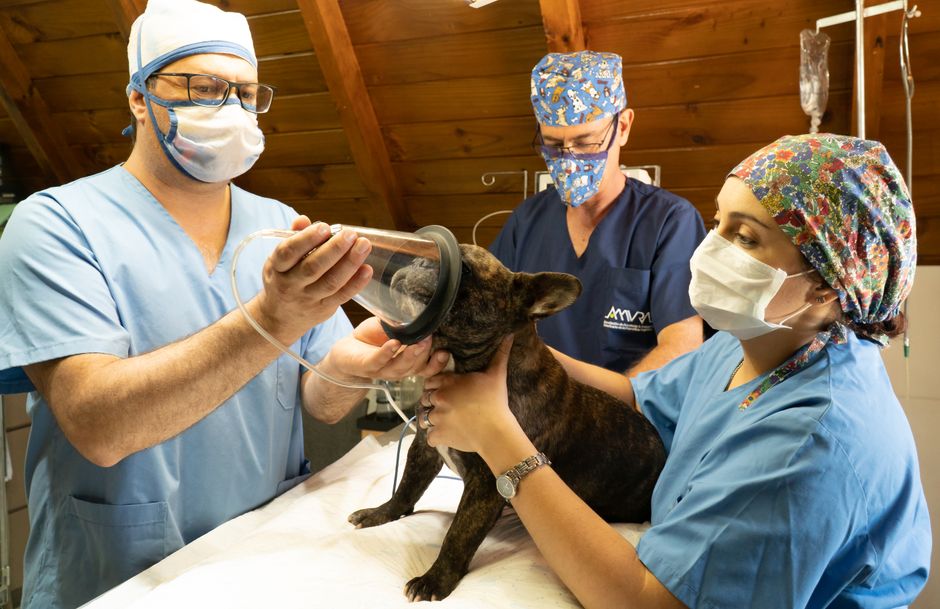
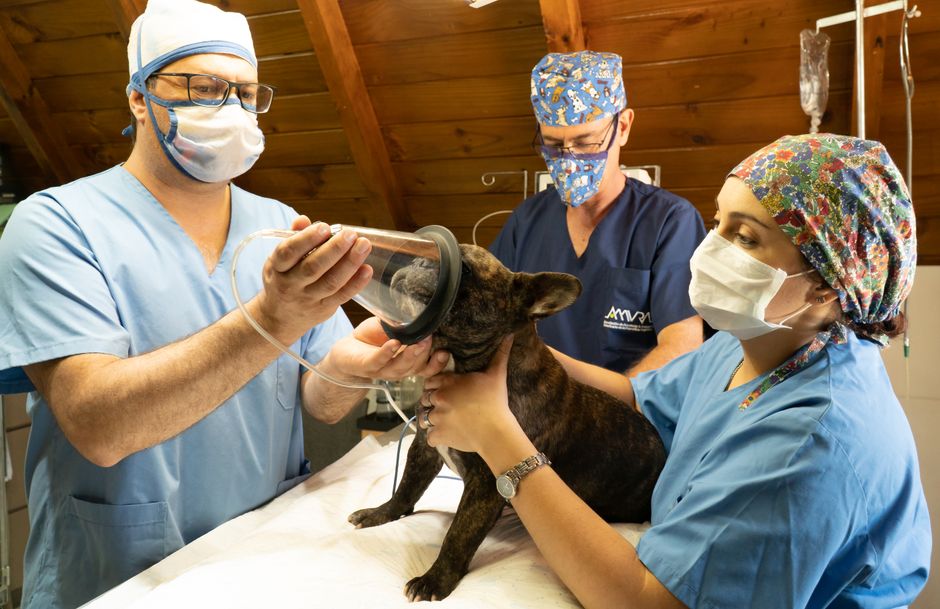
For most comprehensive plans, the answer is yes for surgeries that treat a covered accident or a covered illness. If a dog tears a cruciate ligament, swallows a foreign object that requires removal, or develops a tumor that needs excision, the operation generally falls within the scope of an accident-and-illness policy, subject to the plan’s deductible, reimbursement percentage, and annual limit. Surgery is not a separate product you buy; it is simply a high-cost treatment that the same medical coverage responds to when the underlying condition is eligible.
The catch is that the cause must be covered, not just the procedure itself. The North American Pet Health Insurance Association publishes consumer education on how accident-and-illness policies are structured across the industry, available at naphia.org. Because the exact list of eligible conditions and surgeries differs by carrier and state, the only reliable way to confirm coverage is to read the policy sample rather than rely on a general assumption.
What you actually need before counting on surgical coverage
Before assuming an operation will be reimbursed, gather your pet’s complete medical history, the policy sample documents, and a clear note of your plan’s deductible, reimbursement percentage, and annual limit. It also helps to confirm whether the condition prompting the surgery first appeared before your coverage started or during a waiting period, because either situation can change the outcome of a claim entirely.
Coverage details vary by carrier and state; always read the actual policy sample before enrolling.
Which surgeries are typically covered and which are excluded
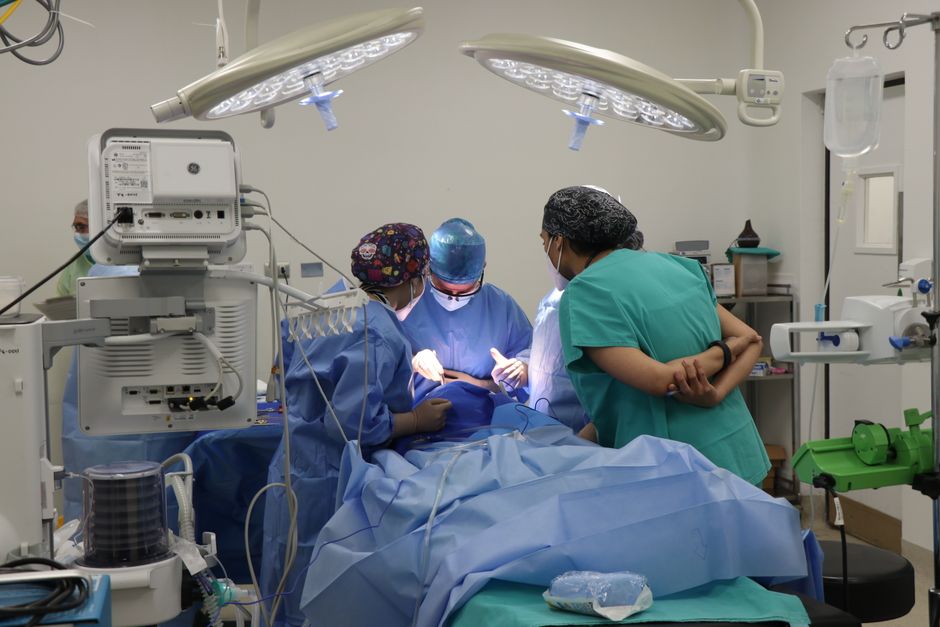
Eligible surgeries usually include those that treat unexpected injuries and diagnosed illnesses: foreign-body removals, fracture repairs, mass and tumor removals, cruciate ligament repairs, bladder-stone surgery, and many soft-tissue operations. These share a common thread, in that they address an unplanned medical problem rather than a planned or routine one. The American Veterinary Medical Association offers owner-facing background on common veterinary procedures and the cost of care at avma.org, which helps put surgical estimates in context.
Excluded surgeries generally fall into a few buckets. Procedures tied to a pre-existing condition, meaning one that showed signs before coverage began, are typically not reimbursed. Cosmetic or elective operations, such as ear cropping or declawing, are usually excluded as non-medical. Routine procedures like spaying and neutering are normally not covered under standard medical plans, though some wellness add-ons help offset them. Anything diagnosed during a waiting period is also commonly excluded for the life of the policy.
How your plan’s dials change what surgery actually costs you
Even when a surgery is covered, the policy does not pay the entire bill. Three dials decide your share. The deductible is the amount you pay before reimbursement begins, so a higher deductible means more of the operation comes out of your pocket first. The reimbursement percentage then determines how much of the remaining eligible cost the plan pays back, commonly seventy, eighty, or ninety percent. The annual limit caps the total the plan will pay in a policy year, which matters most for expensive operations or multiple claims.
Understanding these mechanics ahead of time turns a confusing estimate into a number you can plan around. Our overview of the deductible and how it works walks through that first dial, and our guide to how reimbursement is calculated shows exactly how the percentage applies to a covered surgical bill after the deductible is met.
Why timing and pre-existing rules decide so many surgical claims
The single biggest reason a surgery claim is denied is that the underlying condition is classified as pre-existing. If a pet limped, showed symptoms, or was diagnosed with a joint problem before the policy started, a later operation to correct it is generally excluded even though the surgery itself would otherwise be eligible. This is why enrolling while a pet is young and healthy matters so much: it gives every condition a chance to first appear while coverage is active rather than before it.
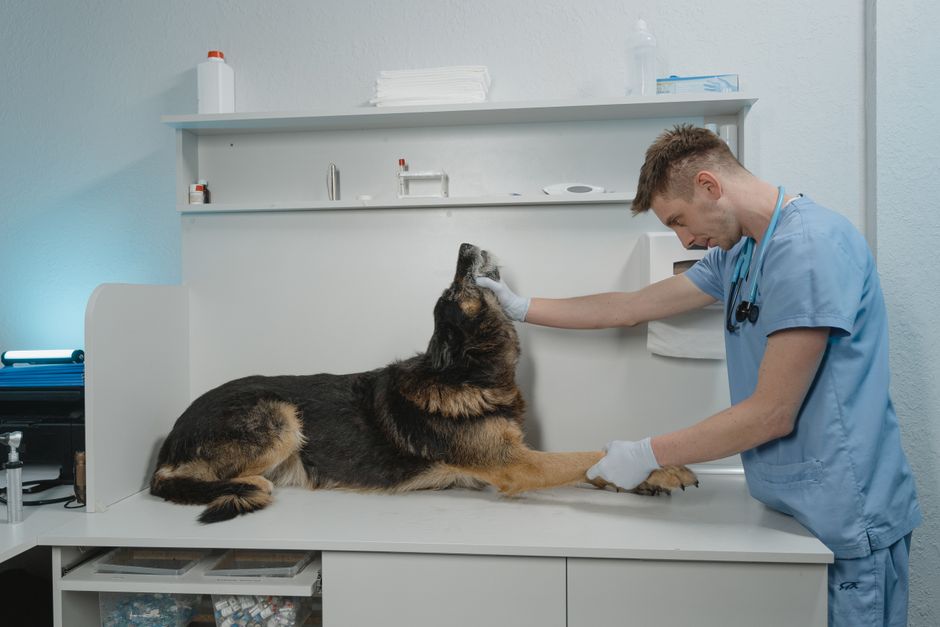
Waiting periods add a second timing layer. Certain orthopedic surgeries, such as cruciate ligament and hip dysplasia repairs, frequently carry extended waiting periods that can run six to twelve months, and a condition diagnosed inside that window is usually treated as pre-existing afterward. For a fuller treatment of how that boundary is drawn, our explainer on how pre-existing conditions work pairs directly with surgical coverage and is worth reading alongside it.
What about pre-authorization and how surgical claims are paid
Most pet insurance works on a reimbursement model, which means you typically pay the veterinary clinic for the surgery first and then submit a claim to be paid back the eligible portion. Some carriers offer optional pre-authorization for planned procedures, letting you confirm in advance that an operation will be covered, which can ease the cash-flow strain of a large estimate. State insurance regulators publish general guidance on reading and comparing policy contracts, and the National Association of Insurance Commissioners maintains consumer resources at naic.org.
Because you usually front the cost, it helps to know your reimbursement timeline and to keep complete records, including the invoice, the medical notes, and the diagnosis. For the step-by-step of submitting one of these claims, our walkthrough on how to file a pet insurance claim covers the documentation that proves a surgery was medically necessary and tied to a covered condition.
When to actually call a veterinarian or licensed agent
If you are unsure whether a recommended operation would fall inside your plan’s coverage or a waiting period, a licensed insurance agent in your state can walk you through the policy language without sales pressure, and pre-authorization may be available for planned surgeries. For questions about whether a procedure is medically necessary, what the recovery involves, or whether a condition is related to something diagnosed earlier, a licensed veterinarian is the right person to ask.
One practical habit is to keep a single file with your policy sample, your deductible and reimbursement percentage, and your pet’s full medical history, so that if surgery is ever recommended you can answer the coverage question in minutes rather than days. The most useful insurance decision is the one made with full information, before the policy is needed.
Disclaimer: This article is for informational purposes only and does not constitute insurance, financial, or veterinary advice. Coverage details, exclusions, waiting periods, and pricing vary by carrier and by state and change frequently. Always read the policy sample, exclusions list, and reimbursement terms in full before enrolling, and consult a licensed insurance agent in your state with questions about your specific situation. For your pet’s medical care, consult a licensed veterinarian.

Karen Liu is a property-and-casualty insurance specialist with nine years of experience in specialty personal lines, including a four-year focus on pet health insurance products as a claims practice analyst. She holds the Associate in General Insurance (AINS) designation and has reviewed thousands of pet claims across multiple national carriers, with a working knowledge of how deductibles, reimbursement percentages, annual limits, and waiting periods actually interact in practice. Karen writes about plan structure, cost comparisons, and the fine print that drives most coverage surprises. Her articles are general consumer education and do not constitute insurance advice; for specific coverage decisions, readers should consult a licensed insurance agent in their state and read the actual policy documents in full.