This article is educational and does not constitute insurance, veterinary, or financial advice. For pet medical concerns, consult a licensed veterinarian. For coverage decisions, review the actual policy documents from any carrier you are considering.
Pet insurance accident only plans are the most affordable type of coverage on the U.S. market, and for some households they are exactly the right fit — while for others they leave a costly gap. A pet insurance accident only policy covers injuries from sudden events but not illnesses, so understanding that single distinction is the key to deciding whether the lower premium is a smart trade or a false economy. This article explains when accident-only coverage makes sense and what it skips.
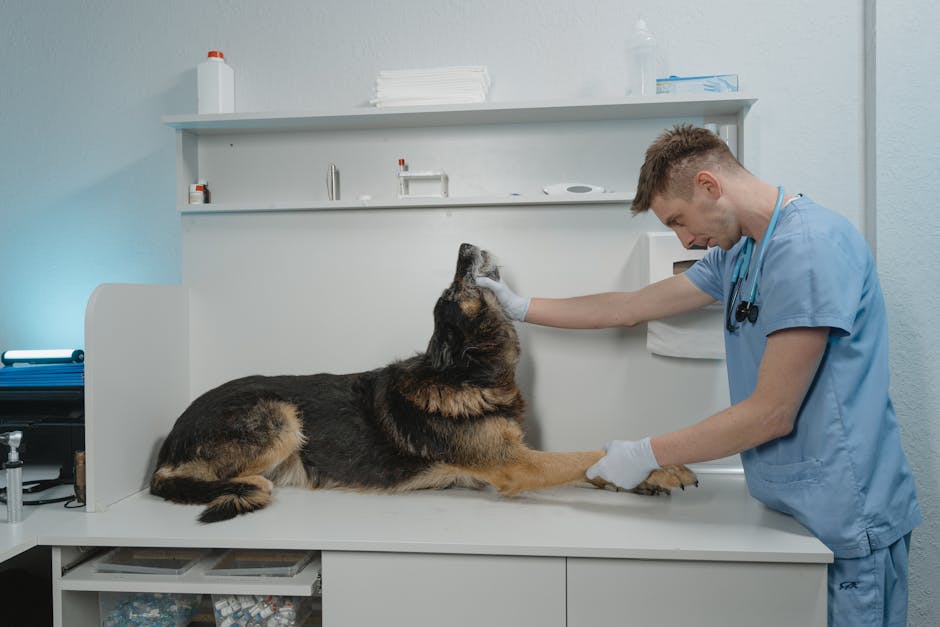
What pet insurance accident only coverage includes
An accident-only plan pays toward treatment for sudden, unexpected injuries: things like a broken bone, a swallowed object, a bite wound, or a laceration. Because it leaves out illness — no cancer, no infections, no chronic conditions — the insurer’s risk is lower, and so is the premium. That is why pet insurance accident only plans often cost a fraction of a full accident-and-illness policy. The trade is straightforward: you pay less, and you cover a narrower set of events.
What you need before choosing a plan type
- Your pet’s age and breed (illness risk rises with age)
- Your monthly budget for premiums you can sustain
- A realistic estimate of what an emergency vet visit costs in your area
- A plan sample showing exactly which events count as “accidents”
When pet insurance accident only makes sense
Accident-only coverage tends to fit a few situations well: a young, healthy pet whose main risk is injury rather than disease; a household on a tight budget that still wants protection against a sudden four-figure emergency bill; or an owner who has savings for routine illness but wants a backstop for catastrophic accidents. For these owners, the low premium buys genuine peace of mind against the kind of surprise injury that sends a dog or cat to the emergency clinic.
What pet insurance accident only skips
The gap is illness, and it is a big one. As pets age, illness — not injury — drives most large vet bills: cancer, diabetes, kidney disease, allergies, and chronic conditions are all excluded from accident-only plans. An older pet is statistically far more likely to need illness coverage than accident coverage, which is why accident-only often makes less sense the older a pet gets. Owners weighing this trade-off frequently compare it against the broader protection covered in our overview of how full dog plans work.
How to compare the real cost
Look past the headline premium. Compare the accident-only price against a full accident-and-illness quote, then weigh the difference against the illness risk for your pet’s age and breed. Check the payout mechanics too — the deductible, reimbursement percentage, and annual limit all shape what you actually receive, as our guide to how reimbursement works explains. And factor the typical monthly numbers from our breakdown of the average cost of pet insurance so you are comparing like with like.
Accident-only vs accident-and-illness: the real trade-off
The clearest way to evaluate a pet insurance accident only plan is to set it beside a full accident-and-illness quote and weigh price against the risk it leaves uncovered. Accident-only wins decisively on price — it is often a fraction of the full premium — but it covers a narrow slice of what actually generates large vet bills over a pet’s life. Full coverage costs more each month but absorbs the illnesses that dominate spending as pets age: cancer, diabetes, kidney and heart disease, allergies, and chronic conditions. The right choice is not “cheaper is better” or “more is better” — it is matching the plan to the statistical risk your specific pet faces. For a young, robust dog with an emergency-only concern and an owner who can self-fund routine illness, a pet insurance accident only plan can be a rational, deliberate choice. For an aging pet, the same plan can leave the most likely bills entirely uncovered.
Think of it as buying down your worst-case exposure. Accident-only caps your risk from a sudden injury; accident-and-illness caps your risk from the much larger and more probable world of disease. Which risk keeps you up at night should guide which premium you pay.
Questions to ask before choosing accident-only
Before settling on accident-only, ask a few pointed questions. What exactly counts as a covered “accident” under this policy? Is there any path to add illness coverage later, or would my pet’s conditions then be pre-existing? What is the annual limit, and is it enough for a serious emergency in my area? and How do the deductible and reimbursement percentage shape what I actually receive? Your veterinarian can tell you which conditions your breed and age are prone to, which is the single best input for deciding whether the illness gap is acceptable. Neutral owner education from the North American Pet Health Insurance Association can also help you compare plan types without a sales pitch.
When to talk to a veterinarian or licensed agent
Ask your veterinarian about the conditions your pet’s breed and age are prone to — that risk profile tells you whether illness coverage is worth the higher premium. A licensed insurance agent in your state can confirm exactly how a carrier defines a covered “accident.” For neutral background on choosing a plan type, the North American Pet Health Insurance Association and the American Animal Hospital Association both publish owner education.
The most useful insurance decision is the one made with full information, before the policy is needed. Match the plan type to your pet’s real risk, and an accident-only policy becomes a deliberate budget choice rather than a coverage gap you discover too late.
This article is for informational purposes only and does not constitute insurance, financial, or veterinary advice. Coverage details, exclusions, waiting periods, and pricing vary by carrier and by state and change frequently. Always read the policy sample, exclusions list, and reimbursement terms in full before enrolling, and consult a licensed insurance agent in your state with questions about your specific situation. For your pet’s medical care, consult a licensed veterinarian.

Jordan Reyes is a Registered Veterinary Technician with seven years of clinic-floor experience across small-animal general practice, emergency medicine, and a referral specialty hospital. Jordan is also the owner of three rescue dogs and writes from the dual perspective of a clinical professional and a working pet owner navigating real veterinary bills. Coverage areas include cat insurance, wellness and routine-care add-ons, and practical questions about how claim submissions, exam-room paperwork, and reimbursement timelines actually work day to day. Articles here are educational only and not a substitute for licensed veterinary or insurance advice; readers should always consult their veterinarian about medical decisions and a licensed agent about coverage.