This article is educational and does not constitute insurance, veterinary, or financial advice. For pet medical concerns, consult a licensed veterinarian. For coverage decisions, review the actual policy documents from any carrier you are considering.
Pet insurance exclusions are the fine-print items a policy will not pay for, and they are where most owners are caught off guard at claim time. Reading the pet insurance exclusions before you enroll — rather than after a denied claim — is the single most useful thing a U.S. dog or cat owner can do to avoid disappointment. This article walks through the exclusions that appear in almost every policy and how to spot them in a plan sample.
What pet insurance exclusions are and why they exist
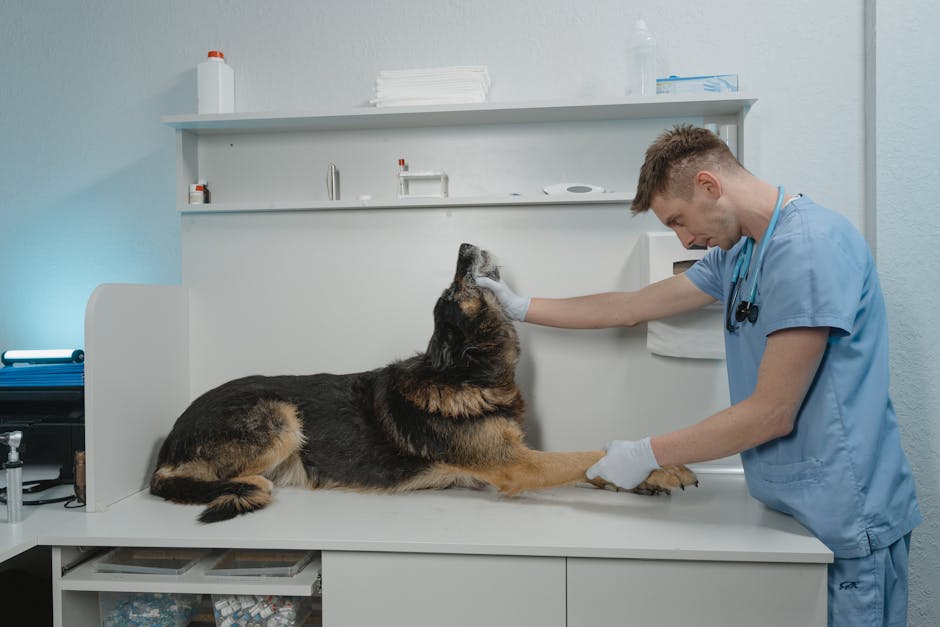
Pet insurance exclusions are conditions, treatments, or circumstances a policy specifically does not cover. They exist because insurance is priced around uncertain future events; anything already known, predictable, or outside the scope of accident-and-illness coverage is generally carved out. The North American Pet Health Insurance Association notes that coverage terms vary widely between carriers, so two policies at the same price can exclude very different things — which is exactly why reading the sample matters. You can review industry background at the NAPHIA consumer resources.
What you need before comparing policies
- A full plan sample or sample policy document — not just the marketing page
- Your pet’s medical history, including anything noted at past vet visits
- The definitions section, where exclusions are actually spelled out
- A list of the waiting periods that apply before coverage starts
The exclusions almost every policy applies
A handful of pet insurance exclusions are nearly universal. Pre-existing conditions — anything showing signs before coverage or during the waiting period — top the list. Waiting-period claims, for issues that arise before coverage activates, are excluded by design. Most policies also exclude cosmetic or elective procedures, breeding and pregnancy costs, and preventive or routine care unless a wellness add-on is purchased. Knowing these four or five categories explains the majority of denied claims.
The exclusions that surprise owners
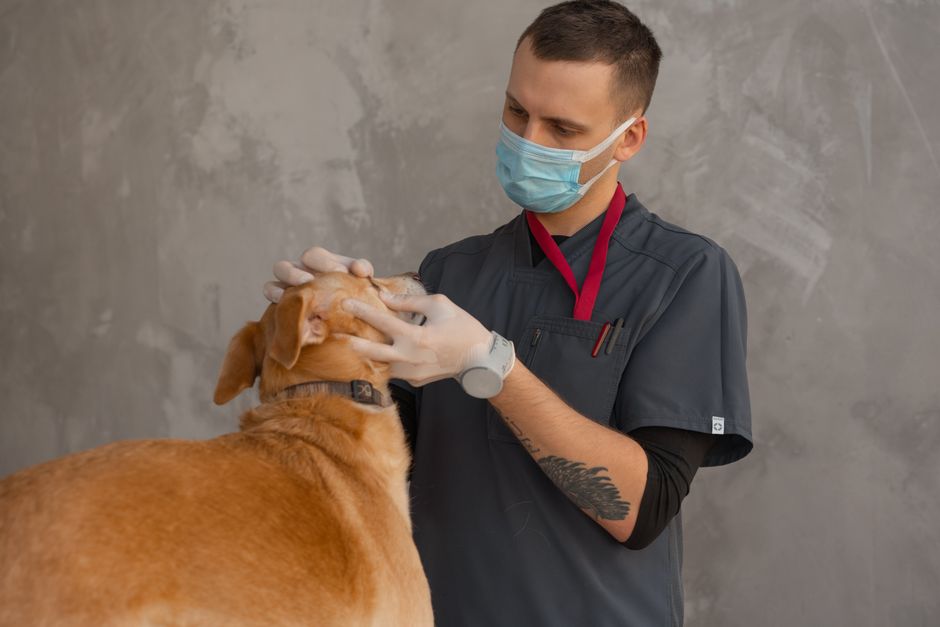
Beyond the obvious ones, several less-visible pet insurance exclusions catch owners off guard: bilateral conditions (if one hip or knee had an issue before coverage, the other side may be excluded), certain hereditary or congenital conditions on some plans, behavioral treatment, and dental disease beyond accidents on policies without a dental rider. Because definitions drive all of this, the way a carrier defines “pre-existing” matters as much as the exclusion list itself — a point covered in detail in our guide to how carriers define pre-existing conditions.
How to read a plan sample for exclusions
Go straight to the “Exclusions” and “Definitions” sections of the sample document. Cross-reference each exclusion against your pet’s history and breed. Check how waiting periods interact with the exclusions, since a condition that appears during a waiting window is treated as pre-existing on most plans — see our breakdown of the three waiting-period windows. Finally, confirm how the payout works once a covered claim is approved, which our explainer on how reimbursement works lays out number by number.
How waiting periods quietly become exclusions
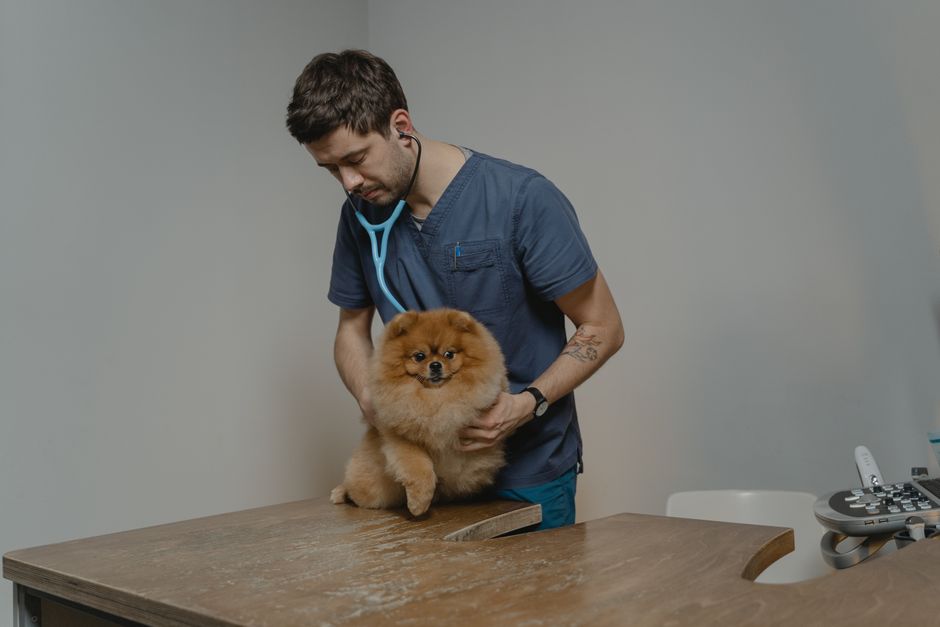
One of the most misunderstood pet insurance exclusions is not labeled an exclusion at all — it hides inside the waiting period. When you enroll, coverage does not start immediately; most policies impose a short waiting window for accidents and a longer one for illnesses, with some conditions like cruciate-ligament injuries carrying their own extended wait. Anything that shows symptoms during that window is generally treated as pre-existing and permanently excluded, even though you were already paying premiums. This is why enrolling a healthy pet early matters so much: every day you wait is a day a new symptom could appear and become an exclusion. Reading the waiting-period section alongside the exclusions section is the only way to see how the two interact, and it is where careful owners catch problems before they cost a claim.
The practical takeaway is that pet insurance exclusions are not just a static list — they are shaped by timing. A condition that would be covered if it appeared in year two can be excluded if it surfaces during the first few weeks, which is the opposite of what many new owners assume.
Questions to ask a carrier before enrolling
A short list of questions surfaces the exclusions that matter for your pet. Ask: How do you define a pre-existing condition, and is it ever reconsidered after a symptom-free period? Are bilateral conditions excluded if one side was treated before coverage? Which hereditary or congenital conditions are excluded for my breed? Is dental illness covered, or only dental accidents? and What exactly is excluded during each waiting period? The answers turn a vague policy into a concrete picture of what you are buying. For neutral background on comparing coverage terms, the North American Pet Health Insurance Association and the American Animal Hospital Association both publish owner education that explains why two similarly priced plans can exclude very different things.
When to talk to a veterinarian or licensed agent
Ask your veterinarian which conditions your specific breed and age are prone to, so you know which exclusions matter most for your pet. For coverage questions, a licensed insurance agent in your state can confirm how a carrier defines and applies its exclusions. The American Veterinary Medical Association also offers neutral owner education on evaluating pet health coverage.
The most useful insurance decision is the one made with full information, before the policy is needed. Read the exclusions first, match them to your pet, and you will know exactly what a plan will and will not do before you ever file a claim.
This article is for informational purposes only and does not constitute insurance, financial, or veterinary advice. Coverage details, exclusions, waiting periods, and pricing vary by carrier and by state and change frequently. Always read the policy sample, exclusions list, and reimbursement terms in full before enrolling, and consult a licensed insurance agent in your state with questions about your specific situation. For your pet’s medical care, consult a licensed veterinarian.

Karen Liu is a property-and-casualty insurance specialist with nine years of experience in specialty personal lines, including a four-year focus on pet health insurance products as a claims practice analyst. She holds the Associate in General Insurance (AINS) designation and has reviewed thousands of pet claims across multiple national carriers, with a working knowledge of how deductibles, reimbursement percentages, annual limits, and waiting periods actually interact in practice. Karen writes about plan structure, cost comparisons, and the fine print that drives most coverage surprises. Her articles are general consumer education and do not constitute insurance advice; for specific coverage decisions, readers should consult a licensed insurance agent in their state and read the actual policy documents in full.